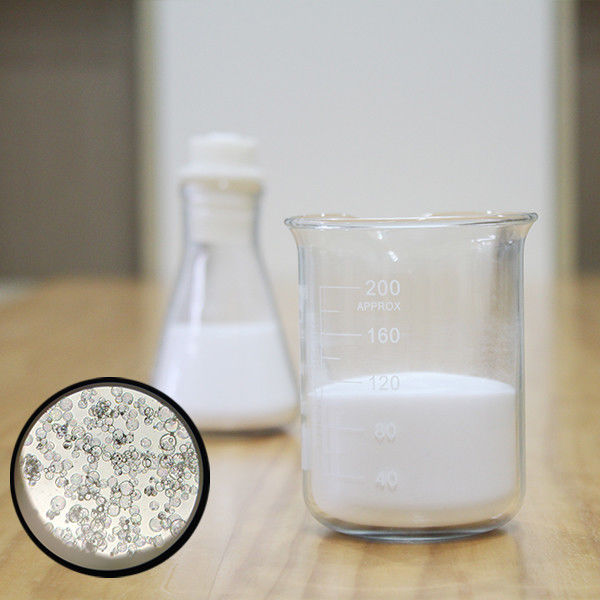
Descrizione del prodotto:
Le microsfere di vetro sono particelle sferiche cave avanzate progettate per fornire prestazioni eccezionali in una varietà di applicazioni industriali. Con una densità reale che varia da 0,58 a 0,62 g/cm³, queste microsfere sono notevolmente leggere, il che le rende ideali per l'uso come riempitivi leggeri in numerosi materiali compositi. La loro struttura unica contribuisce a una significativa riduzione della densità complessiva dei materiali, migliorando così l'efficienza e riducendo i costi nei processi di produzione.
Una delle caratteristiche distintive di queste microsfere di vetro è la loro impressionante resistenza alla temperatura, in grado di sopportare temperature fino a 600°C. Questa elevata stabilità termica garantisce che le microsfere mantengano la loro integrità e le loro prestazioni anche in condizioni di calore estremo, il che è cruciale per le applicazioni in settori come l'aerospaziale, l'automotive e l'edilizia, dove i materiali sono spesso esposti a temperature elevate.
Chimicamente, le microsfere di vetro sono composte principalmente da SiO2 (biossido di silicio), Na2O (ossido di sodio), CaO (ossido di calcio), MgO (ossido di magnesio) e Al2O3 (ossido di alluminio). Questa specifica composizione chimica non solo conferisce un'eccellente resistenza termica, ma contribuisce anche alla loro inerzia chimica, consentendo loro di rimanere stabili e non reattive in un'ampia gamma di ambienti. Ciò le rende adatte per l'uso in apparecchiature di processo chimico, nonché in schiume sintattiche dove la stabilità chimica è fondamentale.
La densità apparente di queste microsfere varia tra 0,15 e 0,3 g/cm³, sottolineando ulteriormente la loro leggerezza. Questa bassa densità apparente, combinata con la loro forma sferica e la superficie liscia, facilita la miscelazione e la dispersione in varie matrici, portando a un miglioramento della lavorazione e delle caratteristiche del prodotto finale. Queste proprietà sono particolarmente vantaggiose quando utilizzate in materiali isolanti, dove è essenziale ridurre il peso senza compromettere le prestazioni di isolamento termico.
Nelle applicazioni pratiche, le microsfere di vetro trovano ampio impiego come riempitivi leggeri nei compositi, migliorando significativamente le proprietà dei materiali come il rapporto resistenza-peso e la resistenza agli urti. Sono ampiamente utilizzate in schiume sintattiche, che sono materiali compositi costituiti da microsfere cave incorporate in una matrice, offrendo eccellente galleggiabilità, isolamento termico e resistenza meccanica. Ciò le rende indispensabili nei settori marittimo, aerospaziale e automobilistico, dove i materiali leggeri e durevoli sono molto richiesti.
Inoltre, le loro proprietà isolanti le rendono preziose nelle applicazioni di isolamento termico e acustico. Incorporando le microsfere di vetro nei materiali isolanti, i produttori possono ottenere una superiore resistenza termica e capacità di smorzamento del suono senza aggiungere peso significativo. Questo equilibrio di proprietà è fondamentale nell'edilizia, nella refrigerazione e nei sistemi HVAC.
Nel complesso, le microsfere di vetro rappresentano una soluzione innovativa per le industrie che cercano di ottimizzare l'equilibrio tra peso, resistenza e prestazioni termiche. La loro densità reale di 0,58-0,62 g/cm³, la resistenza alla temperatura fino a 600°C e la robusta composizione chimica, tra cui SiO2, Na2O, CaO, MgO e Al2O3, le rendono un componente versatile e affidabile. Sia utilizzate come riempitivi leggeri, in compositi, schiume sintattiche o materiali isolanti, queste microsfere offrono qualità e prestazioni costanti.
In sintesi, il prodotto microsfere di vetro combina una bassa densità reale e apparente con un'eccellente stabilità termica e chimica, rendendolo una scelta ideale per applicazioni di materiali avanzati. Le loro proprietà uniche consentono prestazioni migliorate dei materiali in vari settori, supportando l'innovazione e l'efficienza nei processi di produzione. Per le industrie che mirano a sviluppare prodotti leggeri, resistenti e termicamente resistenti, le microsfere di vetro offrono una soluzione comprovata ed efficace.
Caratteristiche:
-
Nome del prodotto: Microsfere di vetro
-
Conducibilità termica: 0,2 W/m·K
-
Forma: Sferica
-
Spessore della parete: 1-2 micron
-
Diametro medio: 10-100 micron
-
Applicazioni: Riempitivi leggeri, Isolamento, Compositi, Schiume sintattiche
-
Caratteristiche 1: Particelle sferiche ultra-leggere
-
Caratteristiche 2: Bassa conducibilità termica di 0,2 per un isolamento efficace
-
Caratteristiche 1: Spessore della parete sottile tra 1 e 2 micron che garantisce resistenza e durata
Parametri tecnici:
|
Diametro
|
20-75 µm
|
|
Diametro medio
|
10-100 micron
|
|
Spessore della parete
|
1-2 micron
|
|
Densità reale
|
0,58-0,62
|
|
Composizione chimica
|
SiO2, Na2O, CaO, MgO, Al2O3
|
|
Forma
|
Sferica
|
|
Colore
|
Bianco o avorio
|
|
Resistenza alla temperatura
|
Fino a 600°C
|
|
Applicazioni
|
Riempitivi leggeri, Isolamento, Compositi, Schiume sintattiche
|
|
Conducibilità termica
|
0,2
|
Applicazioni:
Le microsfere di vetro, composte principalmente da SiO2, Na2O, CaO, MgO e Al2O3, sono versatili riempitivi leggeri ampiamente utilizzati in vari settori grazie alle loro proprietà uniche. La loro composizione chimica garantisce un'eccellente stabilità chimica e durata, rendendole adatte per applicazioni esigenti. Con una conducibilità termica di soli 0,05 W/m·K, queste microsfere forniscono un isolamento eccezionale, il che è molto vantaggioso negli scenari di gestione termica.
Il materiale, il vetro, presenta un colore bianco o avorio, che consente una facile integrazione in diversi prodotti senza influire negativamente sull'appeal estetico. La densità reale delle microsfere di vetro varia tra 0,58 e 0,62, rendendole eccezionalmente leggere, il che è un attributo critico per le applicazioni in cui la riduzione del peso è essenziale.
Una delle principali occasioni di applicazione per le microsfere di vetro è nei settori aerospaziale e automobilistico, dove la riduzione del peso è fondamentale per migliorare l'efficienza del carburante e le prestazioni complessive. Sono utilizzate come riempitivi nei materiali compositi, riducendo il peso complessivo pur mantenendo l'integrità strutturale. Inoltre, la loro bassa conducibilità termica le rende ideali per pannelli e rivestimenti isolanti termici, aiutando a proteggere i componenti sensibili dalle temperature estreme.
Nell'industria delle costruzioni, le microsfere di vetro sono comunemente utilizzate in formulazioni di calcestruzzo leggero e intonaco. La loro incorporazione non solo riduce il peso del prodotto finale, ma migliora anche le proprietà di isolamento termico, contribuendo a progetti edilizi a basso consumo energetico. Inoltre, la loro resistenza chimica garantisce una durata a lungo termine, anche in condizioni ambientali difficili.
Un altro scenario in cui le microsfere di vetro eccellono è nella produzione di attrezzature marine e ricreative. Le loro proprietà galleggianti e la bassa densità sono vantaggiose nella produzione di dispositivi di galleggiamento e strutture composite leggere. Inoltre, sono impiegate nella produzione di adesivi e sigillanti, dove migliorano il volume del prodotto senza compromettere la resistenza.
Inoltre, le microsfere di vetro trovano applicazioni nell'industria elettronica, dove la gestione termica è fondamentale. La loro bassa conducibilità termica aiuta nello sviluppo di materiali isolanti che proteggono i componenti elettronici dai danni da calore. Sono anche utilizzate in rivestimenti e vernici per migliorare l'isolamento e ridurre il peso.
In sintesi, la diversa composizione chimica, la bassa conducibilità termica, la leggerezza e il colore neutro delle microsfere di vetro le rendono indispensabili in numerose occasioni e scenari applicativi. Sia nell'aerospaziale, nell'edilizia, nel settore marittimo o nell'elettronica, queste microsfere offrono vantaggi significativi che migliorano le prestazioni, la durata e l'efficienza.
FAQ:
D1: Per cosa vengono utilizzate le microsfere di vetro?
R1: Le microsfere di vetro sono sfere cave e leggere comunemente utilizzate come riempitivi in compositi, adesivi e rivestimenti per ridurre il peso, migliorare l'isolamento e aumentare la resistenza.
D2: Qual è il tipico intervallo di dimensioni delle microsfere di vetro?
R2: Le microsfere di vetro hanno tipicamente dimensioni comprese tra 10 e 100 micron, consentendo una facile dispersione in varie matrici.
D3: Le microsfere di vetro sono chimicamente inerti?
R3: Sì, le microsfere di vetro sono chimicamente inerti e resistenti alla maggior parte degli acidi, alcali e solventi, rendendole adatte a diverse applicazioni industriali.
D4: Come influiscono le microsfere di vetro sulla densità dei materiali compositi?
R4: L'incorporazione di microsfere di vetro riduce significativamente la densità dei compositi, con conseguenti materiali più leggeri senza compromettere la resistenza meccanica.
D5: Le microsfere di vetro possono essere utilizzate in applicazioni ad alta temperatura?
R5: Sì, le microsfere di vetro hanno una buona stabilità termica e possono essere utilizzate in applicazioni con temperature fino a circa 600°C, a seconda del tipo specifico.


 Il tuo messaggio deve contenere da 20 a 3000 caratteri!